EVERY ORDER SUPPORTS FAMILIES IN NEED



Low Speed Handpiece
Related products
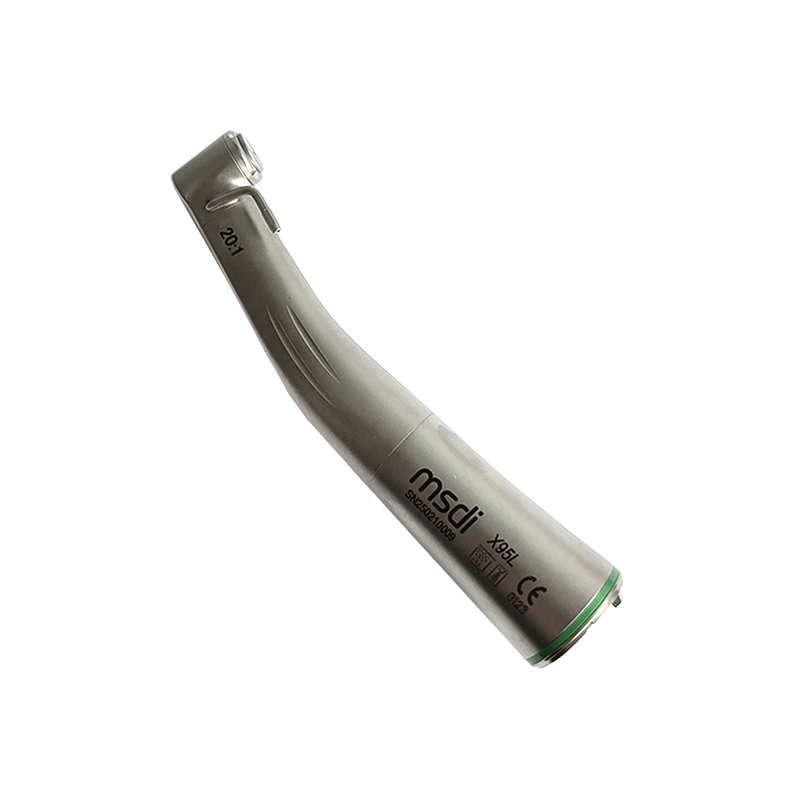
A06-TPQN Low Speed Contra Angle Handpiece (NSK Type)
The Eagle Dental A06-TPQN is a low speed contra angle handpiece with an NSK-type design, for polishing, finishing and the other procedures that need more control than speed. Its design reduces micro vibrations and noise, it offers an ergonomic grip for comfortable, efficient work, and it is made from durable materials for long-lasting performance.
What Is a Low Speed Handpiece?
A low speed (slow speed) handpiece is a dental instrument that runs at lower rotational speeds than a high speed handpiece. The lower speed gives the clinician more control and finesse, which is why it is the instrument of choice for polishing, finishing, some endodontic procedures and other delicate work. The contra angle design angles the head away from the handle, so you can reach posterior teeth comfortably while keeping a clear view.
Low Speed vs High Speed Handpiece
| Low speed handpiece | High speed handpiece | |
|---|---|---|
| Speed | Lower rotational speed | Significantly higher rotational speed |
| Main use | Polishing, finishing, some endodontic procedures, controlled delicate work | Cutting and drilling, such as cavity and crown preparations |
| Strength | Control and finesse | Speed and cutting efficiency |
Most practices use both. If you are also looking for an instrument for cutting, see the Eagle High speed handpiece.
Typical Uses
- Polishing restorations: composite, ceramic and acrylic polishers, cups and brushes.
- Finishing: refining margins and contours where control matters more than cutting speed.
- Endodontic procedures: some endodontic steps that call for low, controlled speed.
- Delicate adjustments: small corrections where a high speed handpiece would remove too much too quickly.
Why Choose the A06-TPQN
- Reduced micro vibrations: smoother operation for better tactile control during polishing and finishing.
- Lower noise: a quieter instrument is more comfortable for you and your patients.
- Ergonomic grip: designed for comfortable handling and efficient work through a full day of procedures.
- Durable build: made from durable materials for long-lasting performance.
- NSK-type design: the NSK handpiece connection system is widely used, which makes this a familiar fit in many practices.
About NSK-Type Handpieces
NSK is a well-known manufacturer of dental equipment, and its handpiece connection system is widely popular, so NSK-type handpieces are a common choice in many practices. Dentists usually choose a low speed handpiece based on durability, ergonomics and compatibility with their motor, attachments and burs. Before ordering, confirm that an NSK-type handpiece matches the motor and connection you use in your practice.
Choosing a Low Speed Handpiece: Checklist
- Check compatibility with your existing motor and connection.
- Confirm that the bur or polisher shank type you use fits the handpiece head.
- Consider weight, grip and head size for comfort in long procedures.
- Look for low vibration and noise for better control and patient comfort.
Getting the Most from a Low Speed Handpiece
Low speed work is about control. Rest your fingers on a stable point, use light pressure and let the instrument and the polisher do the work. When polishing, keep the polisher moving to avoid heat on composite, acrylic and ceramic surfaces, and choose the speed recommended for the polisher or bur you are using. A low-vibration handpiece makes this easier, because you feel the surface better and can keep a steady, even stroke across the restoration.
Care and Maintenance
- Clean the handpiece after every patient and follow the care, lubrication and sterilization instructions supplied with the product.
- Run the handpiece briefly after maintenance to clear excess lubricant before use.
- Do not operate the head without a bur or polisher inserted.
- Store it clean and dry, and stop using it if you notice unusual noise, heat or vibration.
Browse the full range of dental handpieces to complete your setup.
Ready to Subscribe?