EVERY ORDER SUPPORTS FAMILIES IN NEED



Roland Milling Burs for PMMA, WAX & PEEK
Related products
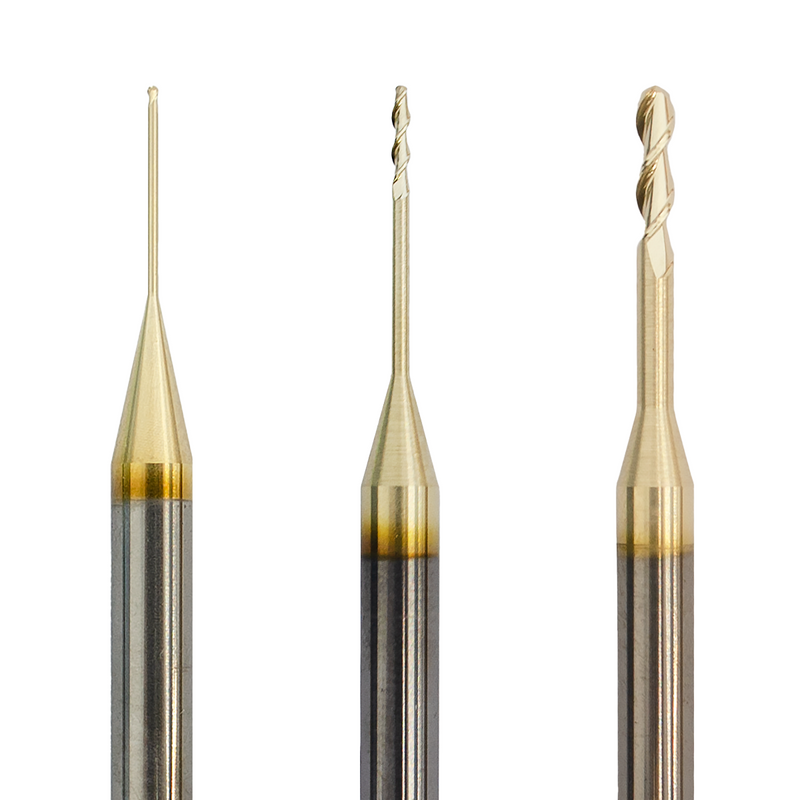
Roland PMMA, wax and PEEK burs for DWX dry mills
These Eagle uncoated milling burs are compatible with Roland DWX dry mills, including the DWX-30, DWX-50, DWX-51D, DWX-52D, DWX-52DC and DWX-52DCi. They are made for soft materials (PMMA, wax and PEEK) and come in 0.6, 0.8, 1.0 and 2.0 mm, so you replace only the size that is worn instead of a full set.
Specifications
| Compatible with | Roland DWX-30, DWX-50, DWX-51D, DWX-52D, DWX-52DC, DWX-52DCi |
| Materials | PMMA, wax, PEEK |
| Coating | Uncoated |
| Milling mode | Dry |
| Sizes | 0.6 mm, 0.8 mm, 1.0 mm, 2.0 mm |
What each size is for
| Size | Typical job | Lab note |
|---|---|---|
| 2.0 mm | Roughing and bulk removal | Used on almost every job |
| 1.0 mm | Finishing contours and inner surfaces | Has a direct effect on the fit of temporaries |
| 0.8 mm | Finer finishing | Used when your strategy calls for it |
| 0.6 mm | Fissures, margins and narrow areas | The most delicate size, so keep a spare |
How to read the sizes
The number on each option is the cutting diameter in millimeters. Your CAM software assigns each diameter to a numbered position in the bur stocker, and the milling strategy expects that exact size in that position. Before you order, open the tool list for your PMMA or wax strategy, note which diameters it uses and check which of them have reached their replacement time.
Why uncoated burs for PMMA, wax and PEEK
- PMMA: temporary crowns and bridges, try-ins and provisionals
- Wax: burn-out patterns for pressing and casting
- PEEK: frameworks and other high-performance polymer restorations
Soft materials do not wear a cutting edge the way zirconia does, so an uncoated edge can stay as sharp as possible. A sharp edge cuts instead of rubbing, which means clean chip removal, less clogging and smoother surfaces. For zirconia on the same machines, use our Roland milling burs for zirconia. Glass ceramics are ground wet with diamond burs, not on a dry mill.
Many labs keep one set of uncoated burs for polymers and a separate set of coated burs for zirconia, so abrasive material never dulls the edge needed for PMMA.
Installing a replacement bur
Always follow your machine manual for the exact procedure. In general:
- Make sure the machine is idle and the spindle has stopped.
- Remove the worn bur from its numbered stocker position.
- Clean chips and dust from the stocker and collet area.
- Insert the new bur straight, as the manual describes, without forcing it.
- In your mill's bur management software, register the bur if needed and reset its work time to zero.
When to replace Roland milling burs
The control software tracks the work time of each registered bur and warns you when it reaches the replacement time you set. The right interval depends on the material and your milling conditions, so adjust it to what you see on finished restorations. Replace a bur earlier when you notice:
- Melted or smeared PMMA on milled surfaces
- Fuzzy or torn edges on wax patterns
- Chips sticking to the bur or clogging the flutes
- Longer milling times or rougher surfaces than usual
- A chipped edge or bent tip
Tips for longer bur life and better surfaces
- Use these burs only for PMMA, wax and PEEK.
- Keep the dust collector running and clean the milling chamber and collet regularly.
- Store spare burs in their packaging, not loose where the edges can chip.
- Do not reuse a bur that was dropped or has a damaged edge.
- Register several burs of the same size if your machine supports automatic tool switching, so a long job does not stop halfway.
Troubleshooting dry milling of PMMA and wax
- Melting or smearing: a dull bur generating heat instead of cutting.
- Rough wax surfaces: a worn bur or chips building up in the flutes.
- Broken 0.6 mm bur: a worn tool, a bur not seated correctly or debris in the collet.
- Poor fit of temporaries: worn burs on inner surfaces; also run the machine's calibration.
Compatible Eagle burs, not original tools
These are Eagle burs compatible with Roland DWX mills, not original Roland tools. Match each diameter to its tool position, then register and reset it like any replacement bur. To see every Roland-compatible bur we carry, browse our Roland milling burs collection.
Ready to Subscribe?