EVERY ORDER SUPPORTS FAMILIES IN NEED



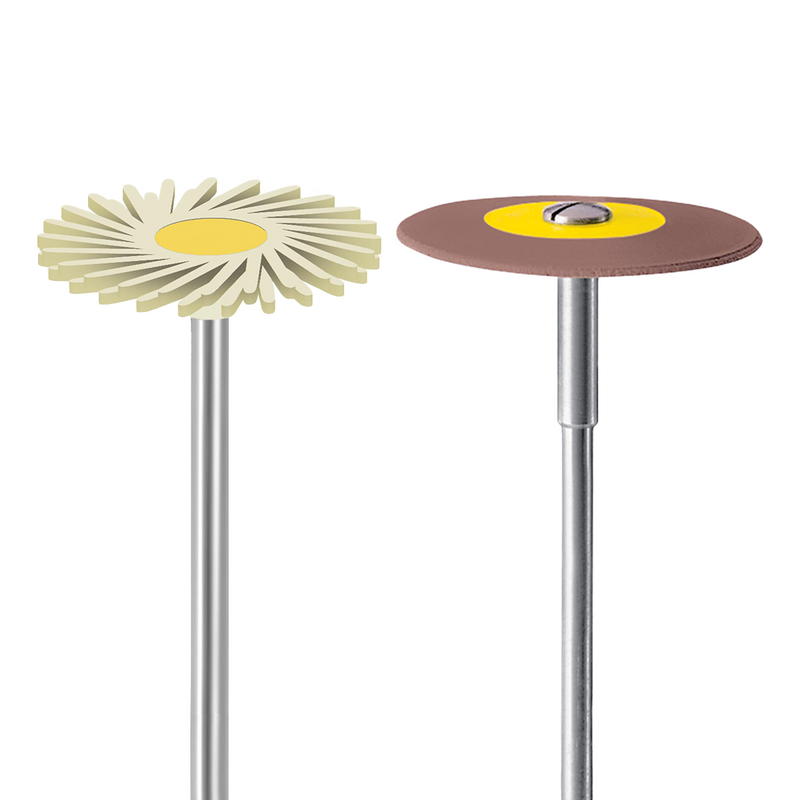
HP - EVE Diapro Lithium Disilicate E-MAX polishing burs

Related products
Diamond Polishers Built for Lithium Disilicate Ceramics
This EVE Diapro polisher is a diamond-impregnated rubber polisher developed specifically for lithium disilicate ceramics, including E.max restorations. Lithium disilicate is denser and more wear-resistant than standard feldspathic porcelain, so it benefits from a polishing system matched to that density — a generic porcelain polisher can struggle to bring up the same shine, or take noticeably longer to get there. Running this polisher over an adjusted or ground surface smooths out the scratch pattern left by grinding and brings the ceramic to a high-lustre finish in a single step.
Where It Fits in Your Workflow
Lithium disilicate restorations typically need adjustment after try-in or after milling — trimming contacts, refining the occlusal surface, or correcting a margin. Before this polisher comes into play, that adjustment is usually handled with a dedicated ceramic grinder to remove material and re-establish contour. Once the shape is right, switching to this polisher removes the rougher grinding marks and brings the surface back toward a natural, glossy look, which can reduce or sometimes remove the need to send the piece back through a re-glaze cycle.
Grit, Shape and Speed
This polisher is designed to run at 7,000–12,000 RPM. Running faster than recommended generates more heat and wears the polisher down faster without necessarily speeding up the result, so staying in that range gets more consistent results and more life out of each polisher. Light, even pressure with steady movement across the surface — rather than holding the polisher stationary in one spot — helps avoid flat spots and keeps the finish even across the whole restoration.
Why a Dedicated Polisher Matters for E.max
Lithium disilicate restorations are milled or pressed to a precise fit, and heavy-handed finishing can round over margins or change contact points that were dialed in during design. A polisher built specifically for this material is formulated to cut efficiently at lower, more controlled speeds, so you can bring up a shine without needing aggressive pressure that risks altering the fit you've already achieved. That's a meaningful difference from using a general-purpose porcelain polisher, which may need more passes — and more pressure — to reach the same result on a harder ceramic.
Keeping Results Consistent
Keep the restoration dry or only lightly moist as you polish — excess moisture can reduce how effectively the diamond grit in the polisher contacts the ceramic. Work in light passes rather than one heavy pass, and replace the polisher once you notice it's taking longer to bring up the same shine it used to. A worn polisher will still turn, but the diamond content that does the actual polishing wears down with use like any consumable, and pushing a dull one harder rarely saves time.
Reading Shade and Finish Together
A polish that's too flat or too glossy relative to the rest of a restoration can throw off how the shade reads once the case is seated, since surface texture affects how light scatters across the ceramic. Working through a full sequence on this polisher rather than stopping partway gives a more even, predictable surface texture across the whole restoration, which helps the final shade match what was planned at try-in rather than looking patchy under different lighting.
Storage and Handling
Keep polishers in their original packaging or a dedicated bur block between uses rather than loose in a drawer, where the diamond-impregnated surface can pick up scratches or debris from other instruments. A clean, undamaged working surface is what gives this polisher its consistent cut from the first use to the last, so a few seconds of careful storage pays off across the life of each one.
Related Lab Tools
For the grinding and contouring step before polishing, see our Dental Ceramic Grinder – HP. For restorations in standard porcelain rather than lithium disilicate, a dedicated porcelain polisher is the better match. Browse the full Dental Lab Burs collection for more bench essentials.
Ready to Subscribe?