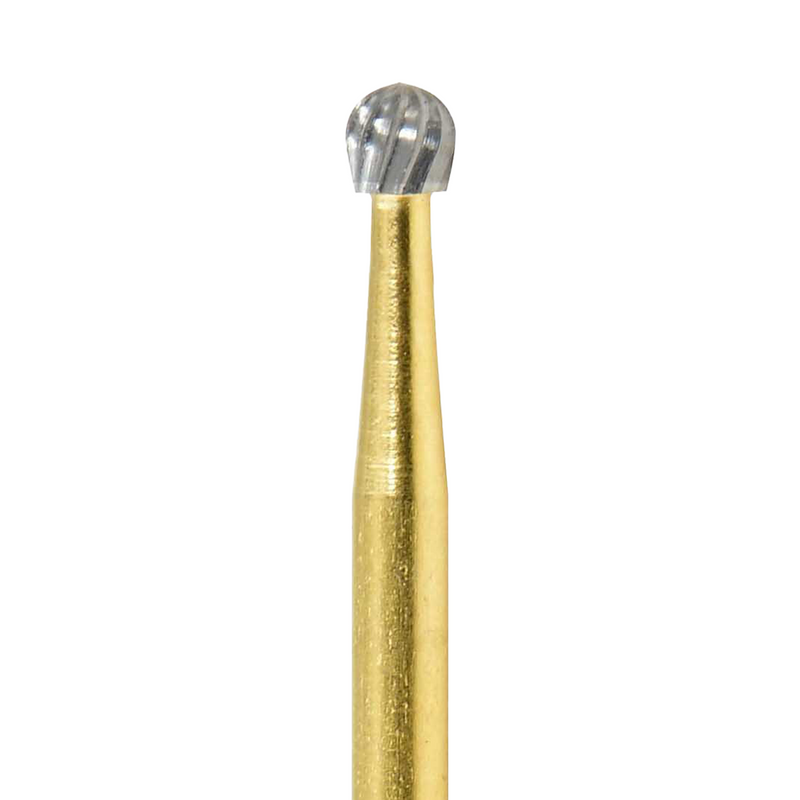
Why Choose Eagle Debonding Burs?
Enamel-Safe Design
The 12-flute configuration distributes cutting forces evenly, enabling controlled adhesive removal without scratching or gouging enamel. This protective design minimizes iatrogenic damage during debonding procedures, preserving the natural tooth surface for long-term patient health.
One-Piece Tungsten Carbide Construction
Manufactured from solid tungsten carbide rather than brazed components, these burs offer superior strength and durability. The one-piece design eliminates the risk of blade separation and ensures consistent performance throughout the debonding procedure.
Two Blade Configurations for Different Materials
Choose the optimal blade pattern for your specific application:
-
Straight blades for composite adhesives and resin removal
-
Spiraled blades for versatile use across multiple materials
Corrosion-Resistant Finish
Special surface treatment ensures the burs withstand repeated sterilization cycles without rust or degradation, maintaining their precision and performance over time.
Technical Specifications
-
Shank Type: FG (Friction Grip) - 1.6mm for high-speed handpieces
-
Flute Count: 12 flutes for controlled cutting
-
Material: One-piece tungsten carbide
-
Blade Configurations: Straight and Spiraled
-
Finish: Corrosion-resistant coating
-
Packaging: 5 premium burs per pack
-
Manufacturing: Made in Israel
Blade Configuration Guide
Straight Blades - Ideal for Composite Adhesive Removal
Design Advantages:
- Advanced blade configuration optimized for composite resin materials
- No spiraling action means no pulling force on the bur or material
- Provides additional control during adhesive removal
- Produces superior finish on enamel surfaces
- Longer lifespan due to optimal blade contact points
Best For:
- Removing orthodontic composite adhesives
- Cleaning residual bonding resin after bracket removal
- Finishing lingual and facial enamel surfaces
- Situations requiring maximum control and precision
Spiraled Blades - Versatile Standard Configuration
Design Advantages:
- Standard blade pattern familiar to most practitioners
- Efficient chip evacuation during cutting
- Proven performance across multiple material types
Best For:
- Amalgam removal (if needed in orthodontic cases)
- Metal bracket debonding
- Removing adhesive from dentin surfaces
- Composite material removal
- Practitioners who prefer traditional spiral geometry
Clinical Applications
Orthodontic Bracket Debonding
The primary application—safely removing ceramic, metal, and plastic orthodontic brackets at the end of active treatment. The 12-flute design provides the control needed to remove brackets without damaging underlying enamel.
Adhesive Resin Removal
Efficiently removes residual composite adhesive after bracket removal. The straight blade configuration excels at this task, providing smooth enamel surfaces without scratching or etching.
Lingual and Facial Surface Finishing
Perfect for final finishing of enamel surfaces after debonding. Creates smooth, polished surfaces that resist staining and plaque accumulation.
Cleaning Bonding Surfaces
Prepare tooth surfaces for re-bonding in cases where brackets need repositioning during active treatment.
Removing Failed Restorations
Can also be used for removing composite restorations or cleaning composite material in general restorative procedures (though primarily designed for orthodontic applications).
Professional Technique Guidelines
Debonding Protocol
Step 1: Bracket Removal
- Use bracket removal pliers or debonding instruments to break the adhesive bond
- Remove the bulk of the bracket, leaving adhesive on tooth surface
Step 2: Initial Adhesive Removal
- Select appropriate debonding bur (straight blade for composite)
- Use high speed with light, intermittent pressure
- Work systematically across the bonded surface
- Remove the majority of adhesive material
Step 3: Fine Finishing
- Progress to finer finishing techniques (white stones, polishing discs)
- Achieve smooth, glossy enamel surface
- Inspect for any remaining adhesive with proper lighting
Operating Guidelines
-
Speed: High speed (150,000-300,000 RPM) recommended
-
Pressure: Light pressure only—let the 12 flutes do the work
-
Motion: Use sweeping, overlapping strokes
-
Cooling: Adequate water spray to prevent heat buildup
-
Angle: Keep bur parallel to tooth surface to avoid gouging
Safety Considerations
- Always use proper eye protection for patient and operator
- Maintain good visibility and lighting
- Work methodically to avoid missing areas of adhesive
- Inspect frequently to avoid over-reduction of enamel
- Use suction to control aerosol and debris
Advantages of 12-Flute Design
Superior Control
More flutes mean smaller, more controlled cutting actions. This translates to smoother surfaces and reduced risk of enamel damage compared to 6 or 8-flute burs.
Reduced Chatter
The 12-flute configuration minimizes vibration and chatter, improving operator control and patient comfort during the debonding process.
Efficient Material Removal
Despite the controlled cutting action, 12 flutes provide efficient adhesive removal, reducing chair time while maintaining safety.
Better Surface Finish
More cutting edges create smoother surfaces that require less additional finishing, streamlining the debonding workflow.
Quality Assurance
Every Eagle Dental Debonding Bur undergoes stringent quality control:
- Precise flute geometry inspection
- Balanced rotation testing
- Shank integrity verification
- Corrosion resistance testing
- Performance validation on adhesive materials
Maintenance and Sterilization
- Clean thoroughly after each use to remove adhesive debris
- Use ultrasonic cleaner or bur cleaning solutions
- Autoclave according to standard protocols
- Inspect regularly for wear or damage
- Replace when cutting efficiency diminishes
- The corrosion-resistant finish maintains performance through multiple sterilization cycles
Made in Israel
Eagle Dental manufactures all debonding burs in Israel using advanced tungsten carbide processing and precision grinding technology. Each bur is crafted to deliver the reliability and performance that orthodontic professionals demand.
Ordering Information
Debonding Burs are available in both straight blade and spiraled blade configurations for immediate shipment worldwide. Each pack contains 5 premium-quality carbide burs. Stock both configurations to handle any debonding situation with confidence.
Which blade configuration is right for your practice? Contact our product specialists for recommendations based on your debonding protocols and material preferences.
 EVERY ORDER SUPPORTS FAMILIES IN NEED