EVERY ORDER SUPPORTS FAMILIES IN NEED



HP - EVE Diatemp polishing burs: Acrylic, PMMA & Hybrid Ceramics
Related products
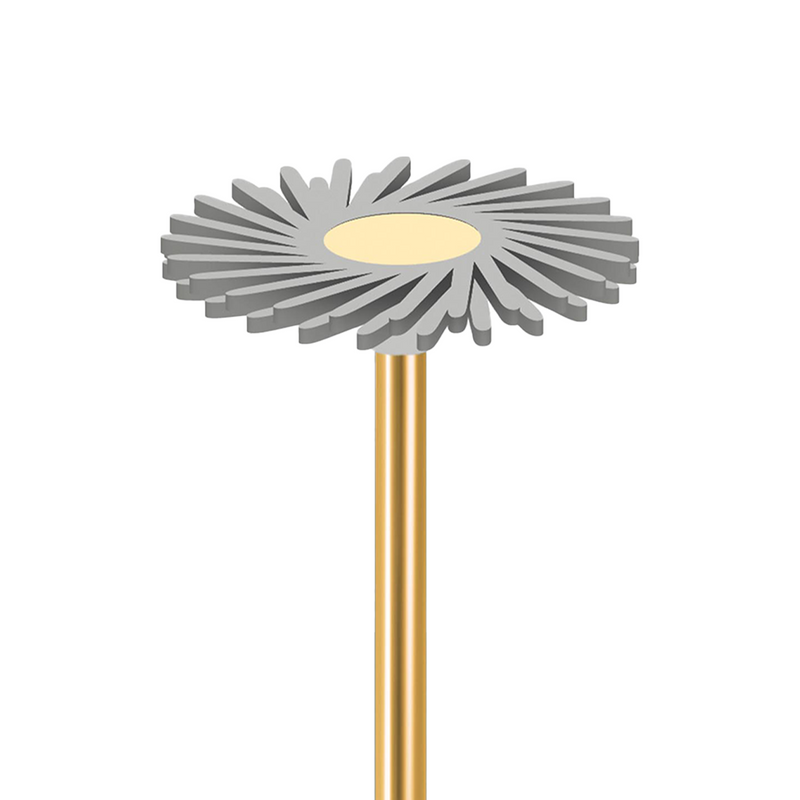
HP Acrylic Polishing Burs for PMMA, Temporaries and Dentures
EVE Diatemp polishing burs are HP (straight handpiece) polishers made especially for polishing temporary and permanent acrylic materials, PMMA, hybrid ceramics, hybrid composites and veneering acrylics. They use a diamond abrasive for efficient results and complete the polishing process in just one step, which makes them a practical choice in the dental lab and for chairside adjustments of provisional crowns, bridges and removable work.
Each pack contains 1 EVE polishing bur.
Choose Your Size
| Option | Size | Typical use |
|---|---|---|
| RTHPSP17F | Smaller diameter wheel | Crowns, bridges, interdental areas and detailed anatomy |
| RTHPSP26F | Larger diameter wheel | Larger surfaces such as denture flanges, bases and long-span provisionals |
Both options have the same one-shape design, so you can work on all areas of the restoration with the same polisher. Many labs keep both sizes: the larger one for broad surfaces and the smaller one for detail.
Which Materials Can You Polish?
- PMMA: milled or printed PMMA crowns, bridges and long-term provisionals.
- Temporary acrylics: chairside and lab-made temporary crowns and bridges.
- Permanent acrylics: denture bases, relines and acrylic appliances.
- Hybrid ceramics and hybrid composites: restorations that combine ceramic and resin.
- Veneering acrylics: acrylic facings on frameworks.
Recommended Speed
Work within the maximum speed range of 7,000 to 12,000 RPM. Staying in this range protects the polisher and the restoration from excessive heat, which matters with acrylic and PMMA because resin materials soften when they overheat.
How to Polish Acrylic and PMMA with EVE Diatemp
- Prepare the surface: finish trimming and contouring with your usual acrylic burs so the surface is free of deep scratches.
- Mount and check: place the polisher in a straight handpiece and run it briefly to confirm it turns true.
- Polish in one step: use light, even pressure and keep the polisher moving across the surface. Let the diamond abrasive do the work.
- Control heat: avoid holding the polisher on one spot. Work in short passes, especially on thin provisional walls and margins.
- Check the result: clean the restoration and inspect the gloss under good light before delivery.
In the Lab and at the Chair
In the dental lab, EVE Diatemp is useful for finishing milled or printed PMMA provisionals, denture work and hybrid restorations before they leave the bench. At the chair, it is handy after you adjust a temporary crown or bridge: contacts and occlusion often need trimming, and a quick pass with the polisher restores a smooth surface before cementation. A smooth surface on a provisional is easier for the patient to keep clean and more comfortable for the tongue and cheeks.
Because the polisher has one shape for all areas, you do not need to switch instruments between the occlusal surface, the axial walls and the margins.
Why a One-Step Polisher Saves Time
Traditional acrylic polishing often means several rubber wheels in sequence, followed by pumice and a polishing compound on a lathe. A one-step diamond polisher shortens that sequence, so a provisional can go from trimmed to polished with one instrument. For the dental lab, that means less instrument switching; for chairside work, it means a quick finish after adjusting a temporary crown in the mouth.
EVE Diatemp vs Other EVE Polishers
EVE Diatemp is focused on resin-based materials: acrylic, PMMA and hybrid materials. If you also polish gold and acrylic in the lab, see EVE TECHNIK HP polishers. For zirconia, lithium disilicate or porcelain, choose the dedicated polishers in the EVE polishers range, since each material responds best to its own abrasive system.
Care and Storage
- Clean the polisher after use to remove resin debris.
- Reprocess according to your lab or practice protocol and the instructions supplied with the product.
- Replace the polisher when the abrasive is worn and the gloss is no longer consistent.
- Store polishers dry, separated by material, so acrylic polishers are not mixed with ceramic polishers.
Ready to Subscribe?