EVERY ORDER SUPPORTS FAMILIES IN NEED



Dental Ceramic Grinder - HP

Related products
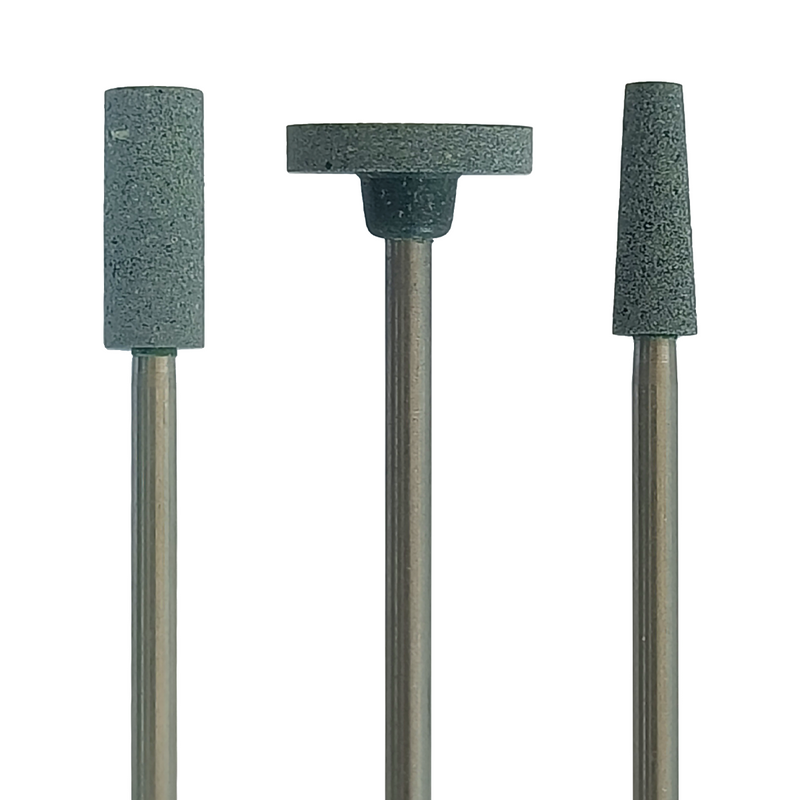
Ceramic-Bonded Diamond Grinders for Lab Use
These HP ceramic grinders are ceramic-bonded, diamond-impregnated rotary instruments made for grinding and contouring porcelain and ceramic restorations on the lab bench. Unlike electroplated diamond burs, the diamond grit is fused through the bonded matrix, so the cutting surface stays more consistent as the grinder wears rather than losing its grip once the outer layer is gone. That makes them a practical choice anywhere you need controlled material removal on ceramic — shaping contacts, adjusting occlusal anatomy, opening contours, or refining a crown or bridge margin before you move into polishing.
HP Shank, Built for Lab Micromotors
HP refers to the long, straight handpiece shank used with lab micromotors, as opposed to the short FG shank used chairside. If your bench setup runs an HP micromotor, these grinders drop straight in without an adapter. Each pack contains 12 grinders, so you can keep a full set of shapes and grits on hand without reordering every time one wears down during a busy production run.
Matching Grit and Shape to the Step You're On
Grit controls how fast the grinder removes material and how rough or smooth a surface it leaves behind. Coarser grits are built for bulk reduction — knocking down excess porcelain quickly before you move to finer stages. As you get closer to final contour, switching to a finer grit lets you refine the shape with less risk of over-grinding or leaving a deep scratch pattern that's harder to polish out later.
Shape matters just as much as grit. Pointed and tapered profiles reach into tight interproximal areas, occlusal grooves, and fissures that a rounder stone can't access cleanly, while broader shapes cover flat or convex surfaces faster. Keeping a few shape options on the bench means you're never forcing one grinder to do a job it wasn't built for, which is why this listing offers multiple grit and shape combinations rather than a single generic option.
Running Speed and Keeping Heat Under Control
These grinders are built to run in the 15,000–25,000 RPM range, with a maximum of 35,000 RPM. Staying within the recommended range, using light and controlled pressure, and letting the diamond do the cutting — rather than pushing hard — keeps friction and heat down and protects both the restoration and the grinder itself. If you're removing more material at once, working in short passes rather than holding the grinder against the ceramic continuously helps avoid localized heat buildup that can stress the restoration.
Why Diamond Grit for Ceramic Instead of Carbide
Ceramic and porcelain are hard, abrasive materials that wear down a carbide blade quickly and unevenly. Diamond grit cuts by abrasion rather than by a cutting edge, so it holds up far better against ceramic without the chipping or dulling you'd see from a carbide bur used on the same material. That's also why these grinders are ceramic-bonded rather than electroplated — a bonded matrix exposes fresh diamond particles as the surface wears, instead of leaving a bald patch once a single plated layer is ground away.
When to Replace a Grinder
Ceramic-bonded diamond grinders don't have a fixed lifespan — how long one lasts depends on how much material you're removing, how dense the ceramic is, and how much pressure you're applying. Watch for the grinder cutting more slowly than it used to, visible flattening or rounding of the tip, or vibration and chatter that wasn't there before. Any of those are a sign it's time to swap in a fresh grinder rather than keep working with a dull one, which usually ends up taking longer and giving a rougher finish anyway.
Building a Starter Set
If you're setting up a bench from scratch, it's worth stocking at least one coarse and one finer grit in both a rounder and a more pointed shape. That combination covers most routine adjustment work — bulk reduction, contour refinement, and detail work in tight spaces — without needing to special-order a shape mid-case. Because each pack holds 12 grinders, a small starter order typically covers a shape and grit combination for a good while before you need to restock.
From Grinding to Polishing
Once a restoration is ground and contoured to shape, the next step is moving into a polishing stage to bring the surface back to a smooth, lustrous finish. Our EVE Diapol Porcelain Polishers – HP are built for exactly that handoff. For more bench essentials, browse our full Dental Lab Burs collection.
Ready to Subscribe?