EVERY ORDER SUPPORTS FAMILIES IN NEED



MCX5 burs: Emax and Glass ceramics
Related products
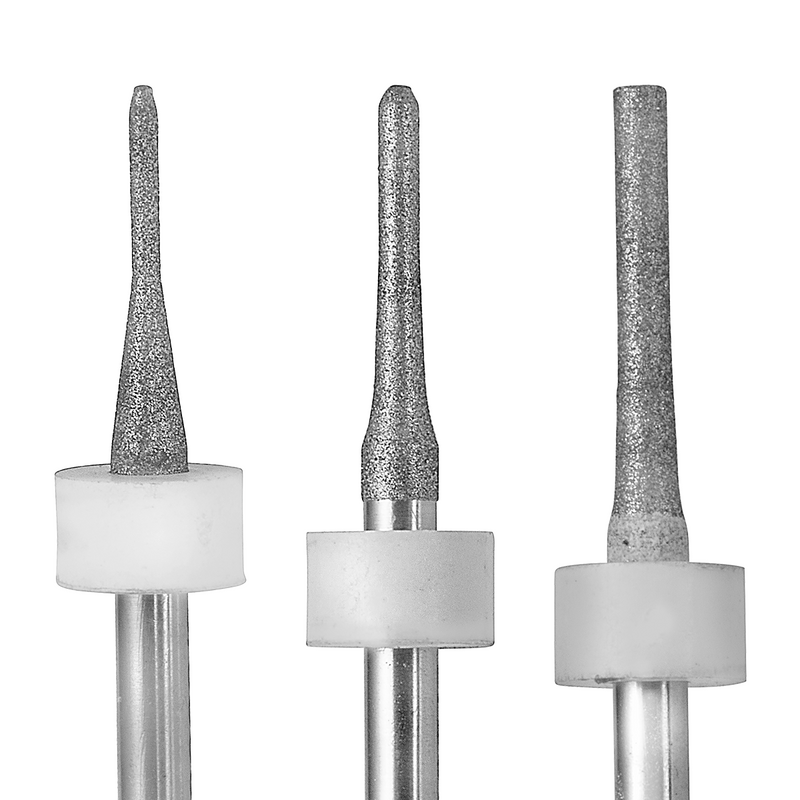
MCX5 burs for E.max and glass ceramics
These MCX5 burs are Eagle diamond grinding burs compatible with the inLab MC X5. They are made for wet grinding of lithium disilicate (such as IPS e.max CAD) and glass ceramic blocks, and come in the four diamond tool sizes the MC X5 uses for these materials: 0.6, 1.2, 1.4 and 2.2 mm.
Buy single burs in the size you need, or order a 10-bur or 20-bur pack and send us a message with the sizes you want.
MC X5 diamond bur sizes
| Size | Typical job | Compatible with REF |
|---|---|---|
| 2.2 mm | Bulk grinding | 6478007 |
| 1.4 mm | Contours and inner surfaces | 6478015 |
| 1.2 mm | Finishing and inner surfaces | 6478023 |
| 0.6 mm | Occlusal detail and fissures | 6542232 |
The size is the diameter of the diamond grinding tip in millimeters. Your inLab CAM software decides which tools each restoration needs, so check the tool assignment before you order. The REF column shows which original tool each Eagle bur replaces.
How to read the pack options
Single-bur variants contain one bur of the size in the variant name, for example 1.2 (1 bur). The 10-bur and 20-bur packs are mixed packs: you tell us the split between sizes after ordering, so a lab that grinds mostly with the 1.2 mm and 2.2 mm tools can stock more of those.
Choosing the right MC X5 burs by material
- E.max and glass ceramics: diamond grinding burs like these, used wet with coolant.
- Zirconia: coated MCX5 zirconia milling burs.
- PMMA, PEEK and wax: uncoated MCX5 burs for PMMA, PEEK and wax.
Keeping one set of burs per material group protects each tool from wear it was not designed for.
Wet grinding for E.max on the MC X5
Glass ceramics are ground wet. Coolant carries away heat and ceramic debris, which protects both the diamond surface and the restoration. Keep the coolant tank filled and use the additive and change interval in your MC X5 instructions.
How to replace a diamond bur in the inLab MC X5
Follow the inLab MC X5 operating instructions and your inLab CAM software for the exact steps. In general:
- Make sure the machine is idle and the spindle has stopped.
- Remove the worn bur from its tool position and check the size.
- Rinse ceramic sludge from the tool holder.
- Insert the new bur straight into the correct position, without forcing it.
- Confirm the tool change in the software so the tool's usage is tracked from zero.
When to replace MCX5 diamond burs
How long a diamond grinding bur lasts depends on the block type, restoration size and coolant condition, so there is no fixed number of units. Replace the bur when you see:
- Rougher surfaces or more polishing needed after grinding
- Chipping at thin margins on crowns, veneers and inlays
- Longer grinding times than the software estimate
- A worn or smooth diamond surface at the tip
- A tool-wear message in your inLab software
The mixed 10-bur and 20-bur packs let you keep spares of the sizes your lab uses most.
Tips for bur life and surface quality
- Keep coolant clean and at the correct level; dirty coolant wears diamonds faster.
- Use these burs only for lithium disilicate and glass ceramics.
- Clean the tool holders and grinding chamber of sludge regularly.
- Store spare burs in their packaging so the diamond surface is protected.
- Do not reuse a bur that was dropped or has a chipped tip.
Common glass ceramic grinding problems
- Chipped margins: a worn 0.6 mm or 1.2 mm bur, or low coolant.
- Cracks or burn marks: not enough coolant or a dull bur generating heat.
- Broken bur: a worn tool kept in use, a bur not seated correctly or debris in the holder.
- Poor fit: worn burs on inner surfaces; also run the machine's calibration.
Eagle burs, not original tools
These are compatible Eagle burs, not original manufacturer tools. Machine names and REF numbers are listed only to show which unit and tool positions they fit.
Ready to Subscribe?